
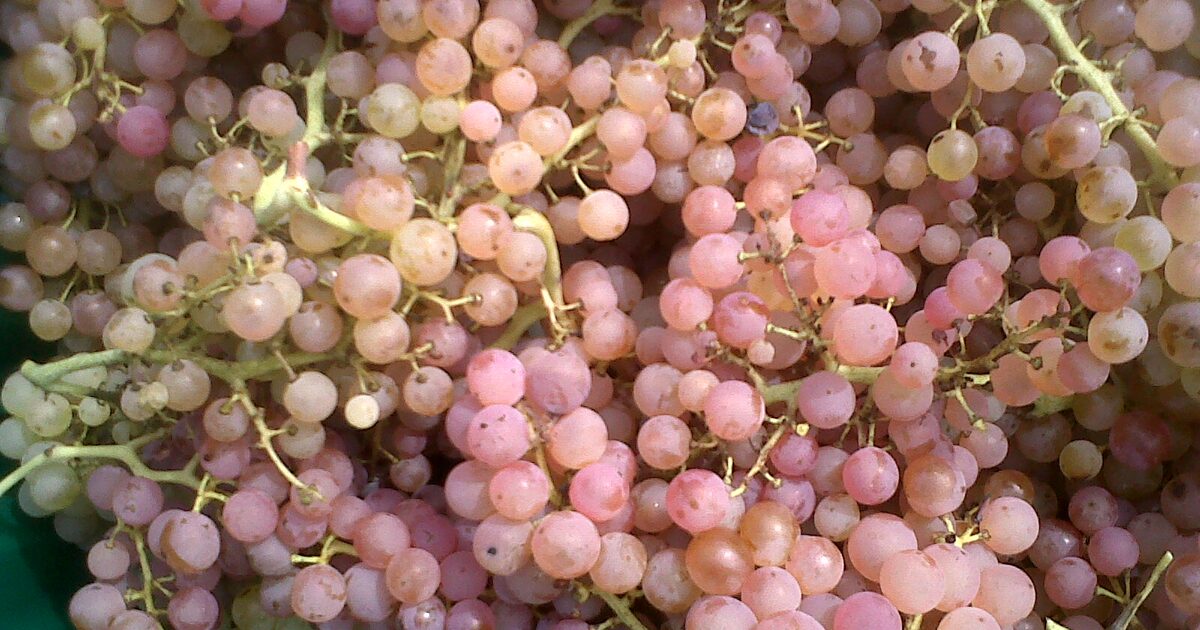
When we bought the vineyards, everyone thought we would pull everything up and plant a new vineyard. We had chosen them precisely because they were old: an old vine produces less fruit, but of better quality. Our Trebbiano vines date from 1970.
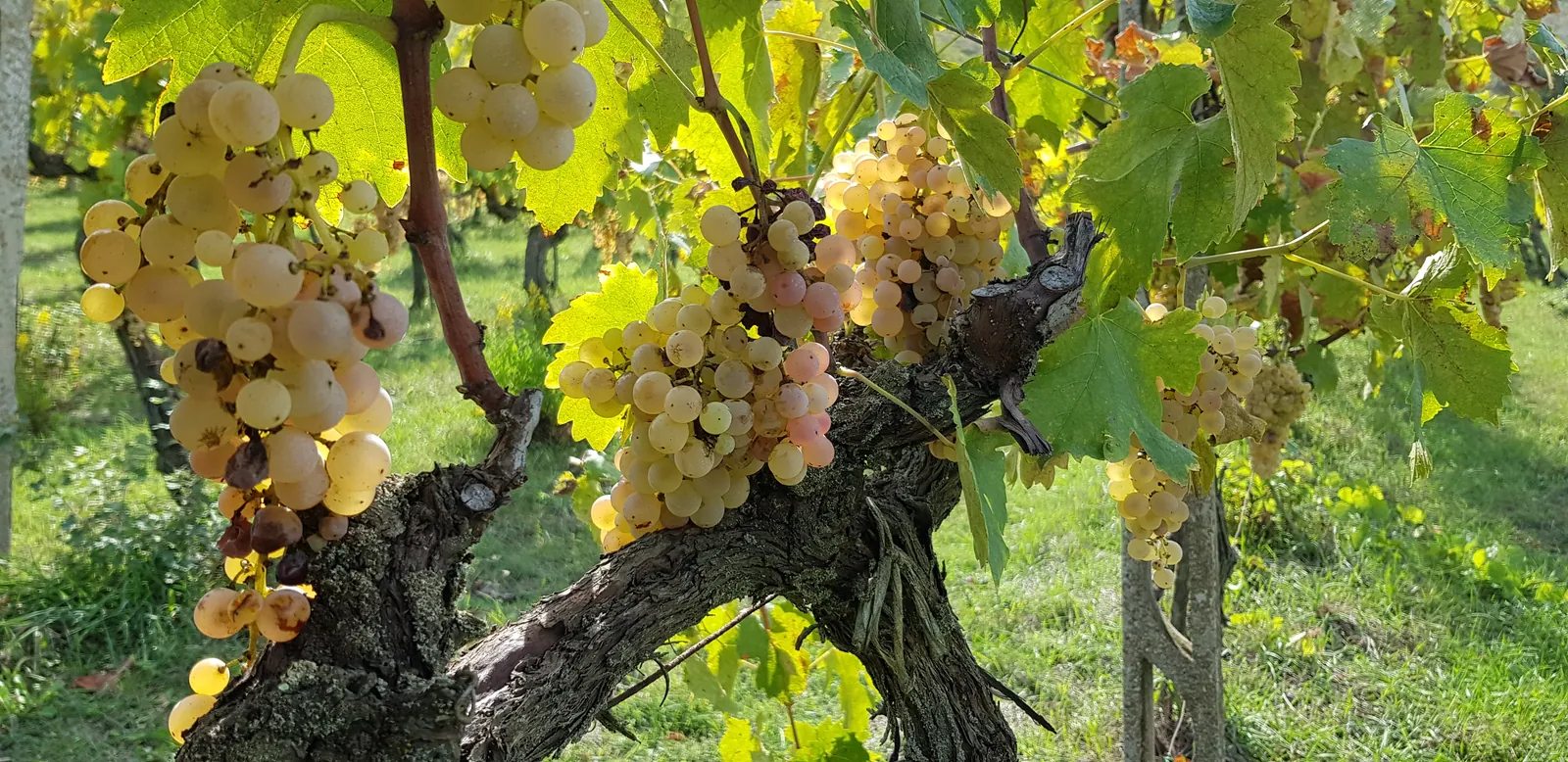
We were told that nobody in Tuscany wanted white grapes, that this was red wine country and that we would not know what to do with Trebbiano. Making the most of it and turning it into a fine wine was a challenge in itself. Then we realised that our Trebbiano was particularly precious: it was Trebbiano rosa, the grape that was used to make Vin Santo.
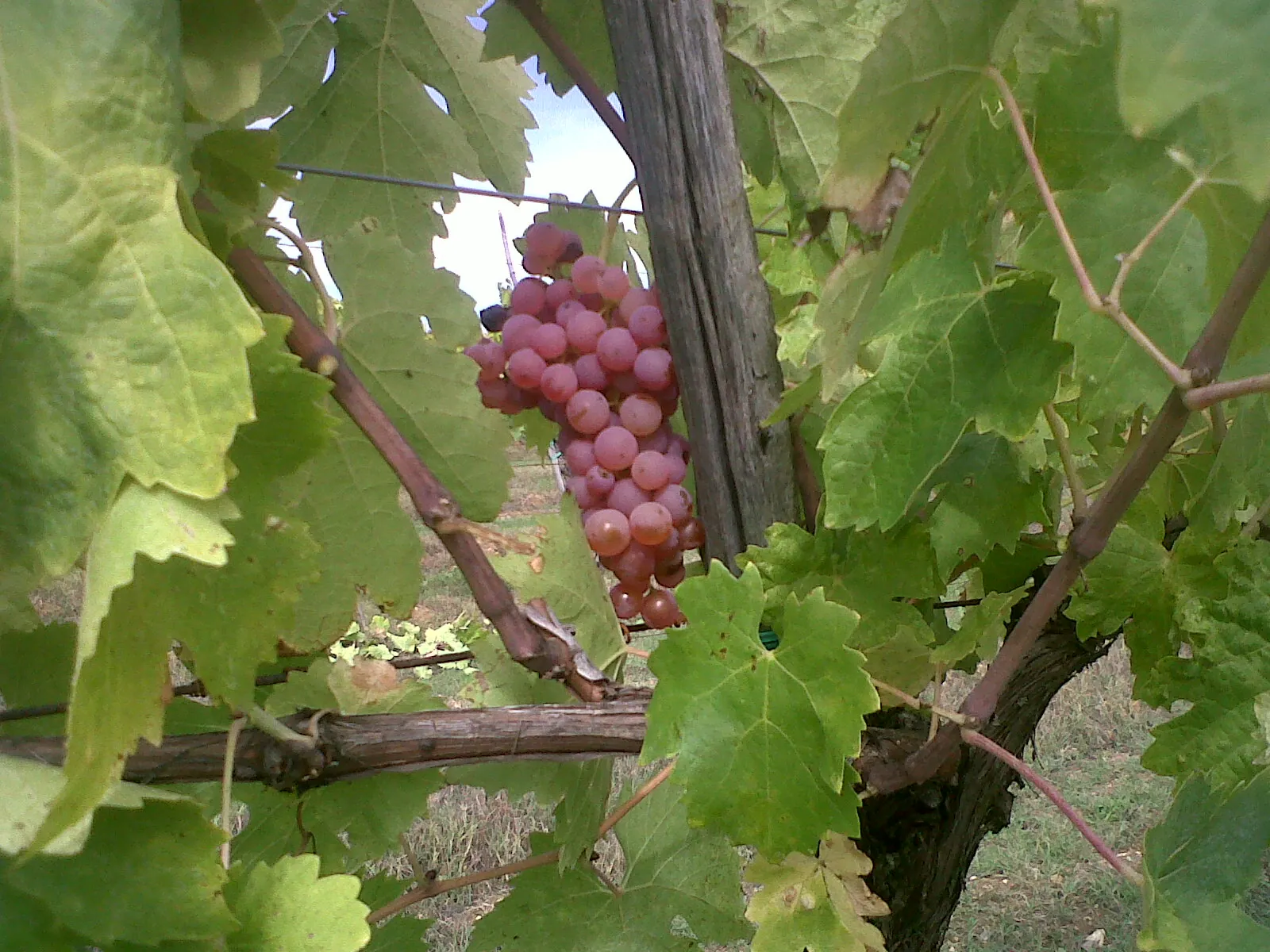
Chiarofiore is a macerated white or, to use another term, an orange wine. It is a dry wine to drink throughout a meal, in which we want to find the grapes it comes from, as well as hints reminiscent of Vin Santo. That is why we bring most of the grapes to full ripeness and set a few aside for a late harvest.
There is a problem, though: our ripe and very ripe grapes have little acidity. The four harvests we make for Chiarofiore are there to find a balance between these different components. In the early vintages we experimented: only after many trials in the vineyard and in the cellar did we find the right “recipe”.
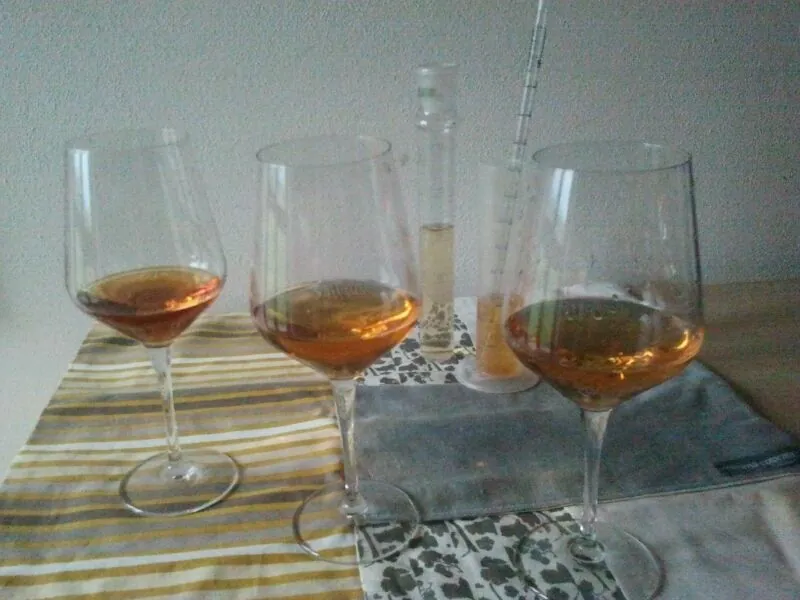
End of August: Trebbiano rosa for acidity. The first is an early picking of Trebbiano rosa, made solely to obtain a wine with high acidity. These grapes ferment without their skins.
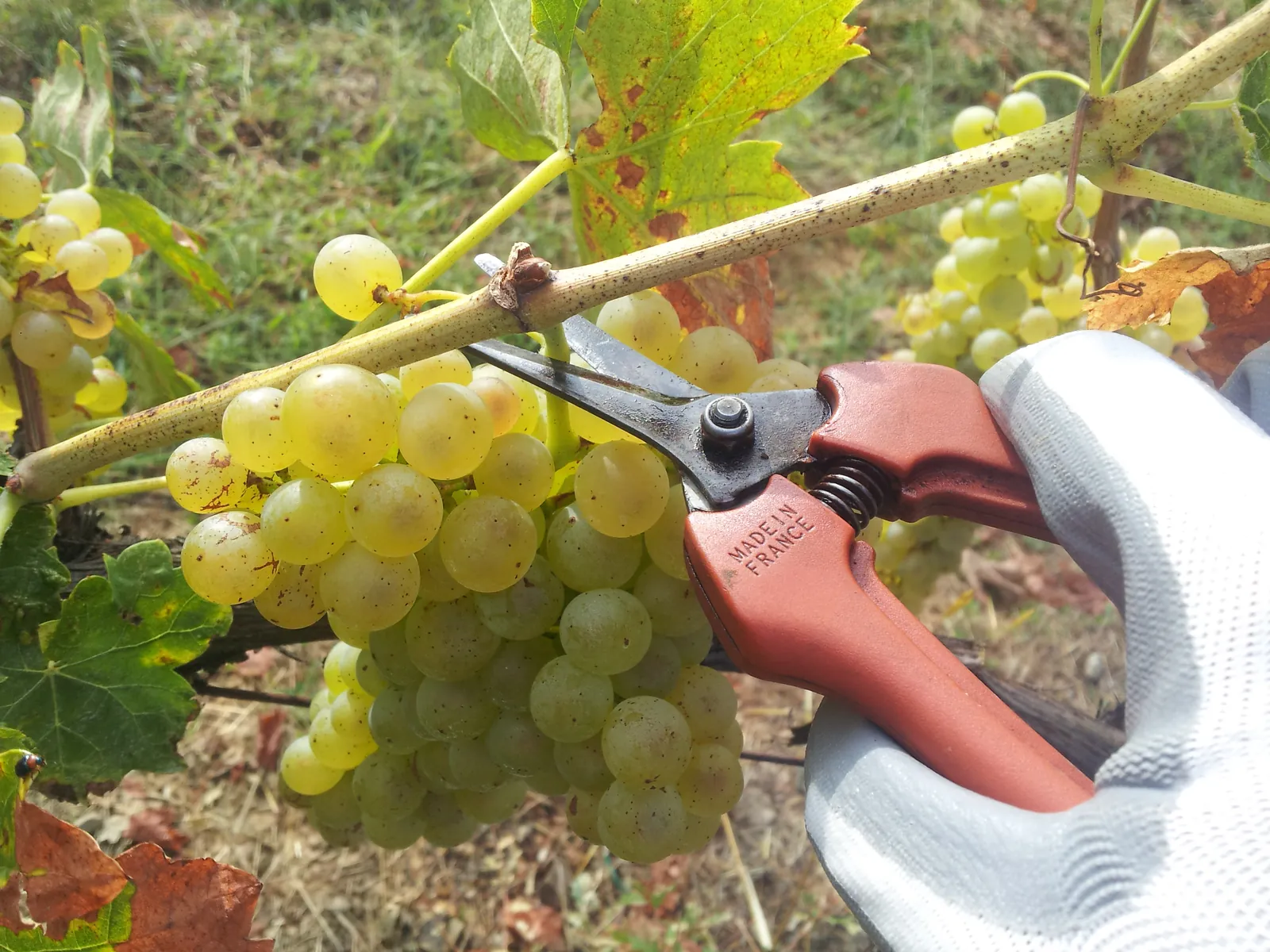
First half of September: Vermentino. We pick the Vermentino when it is perfectly ripe, within the first half of the month; the exact date depends on the vintage. It ferments on its skins for about a month, that is, for the whole of the alcoholic fermentation.
End of September: ripe Trebbiano rosa. We go back to the Trebbiano rosa, this time ripe. These grapes, too, spend a month fermenting on their skins.
Early November: late-harvest Trebbiano rosa. We usually make the last picking in the first week of November. The bunches are partly dried on the vine and partly botrytised, that is, affected by noble rot. This gives the grapes further aromatic richness. The late harvest ferments on its skins as well.
The real risk, when we leave the grapes on the vine until November, is starlings: in some years they have eaten a good part of them.
These are four separate vinifications. Fermentation and the ageing that follows, of about a year, take place in stainless steel. Then we blend the four batches and bottle the wine.
Chiarofiore ages mostly in the bottle, and for years, because all its components need time to come together. To decide when it is ready, tasting remains the main criterion: Chiarofiore leaves the cellar only when we like it.
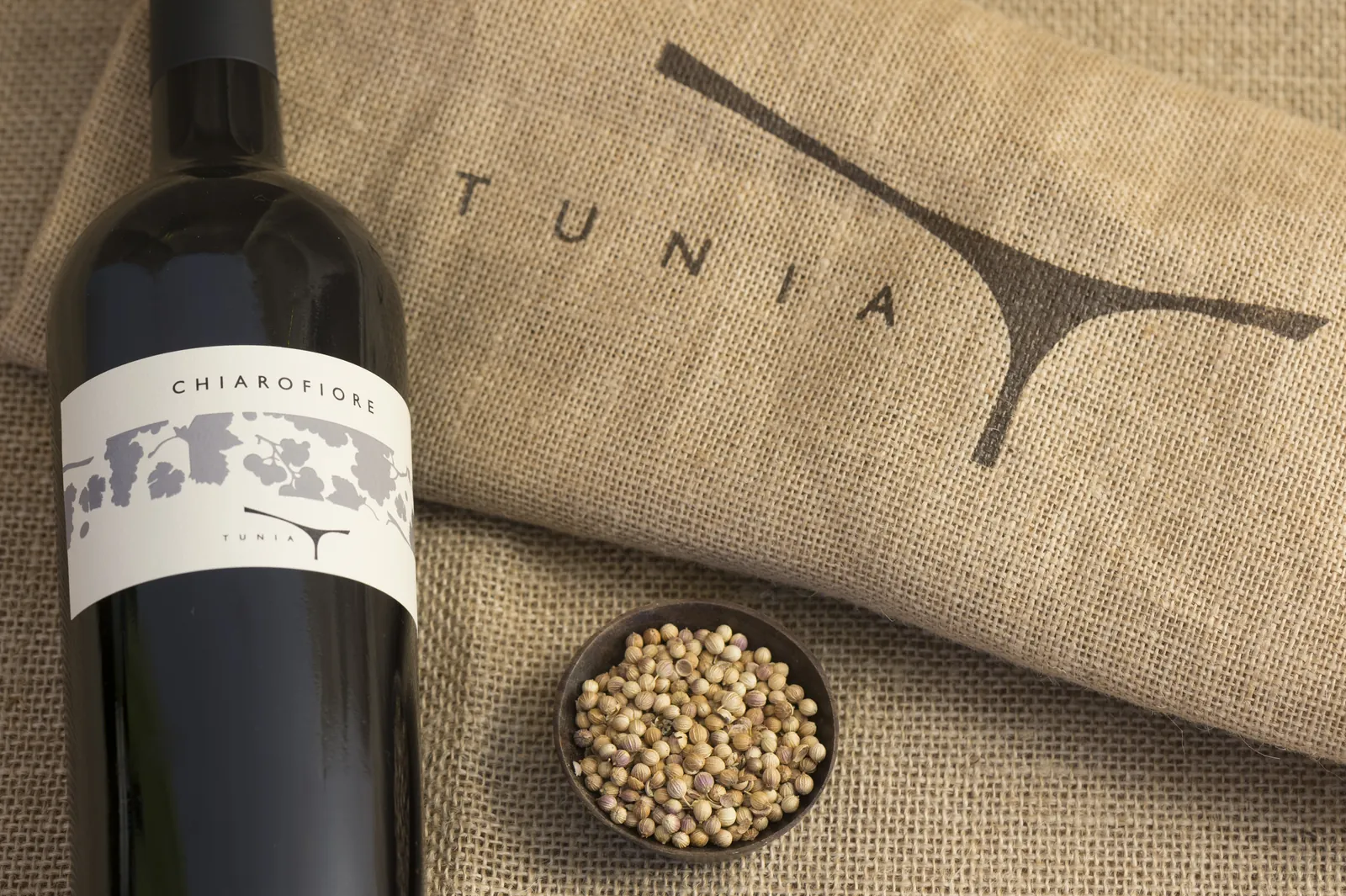
The balance we look for brings together the acidity of the first harvest, the aromatic character and structure of the Vermentino, the aromatic character, structure and tannins of the Trebbiano and, finally, the aromas and softness of the late harvest.
Softness, not sweetness: in the end the wine has no residual sugar.
StayTunied
A letter every two weeks to get to know our wines and help us chart a course for the wines to come
The letter is free. Buy the boxes on the shop with a single payment and no automatic renewal: